Motivation: Curiosity as a Starting Point
Sometimes, engineering projects don’t start with a specification sheet – but with a simple question.
After Munro & Associates (Link)published their detailed teardown of the Volkswagen APP550 drive unit, I found myself wondering:
How close can you get to the real machine using only publicly available information?
No OEM CAD, No internal data, No test bench measurements.
Just images, videos – and engineering judgment.
From Images to Geometry: Reconstructing the Machine
The FEM model is based entirely on public sources:
teardown videos and high-resolution images
publicly accessible presentations and publications
pictures of physical cutaway models, including exhibits at PCIM Europe 2024
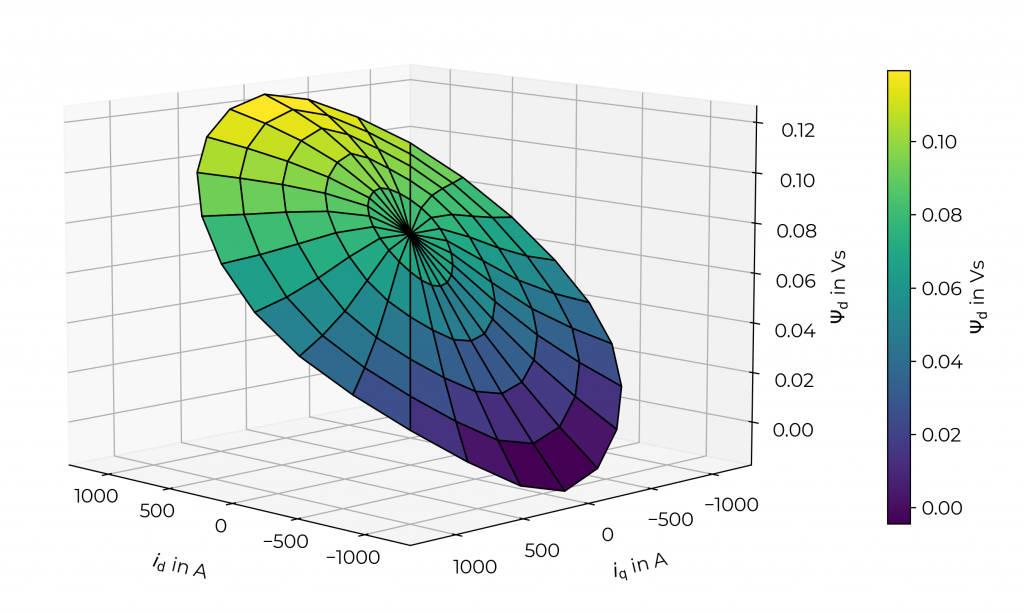
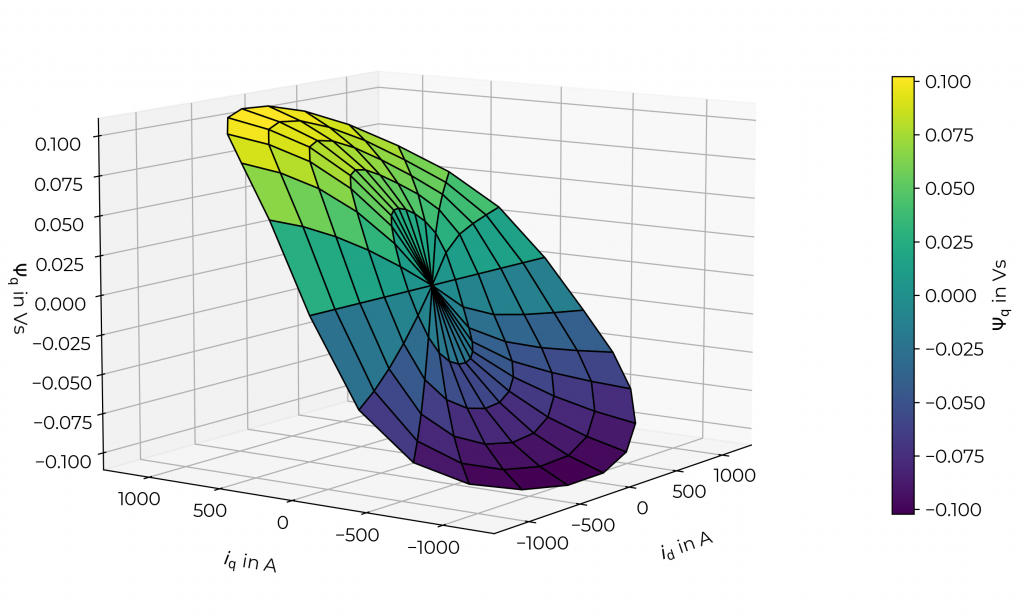
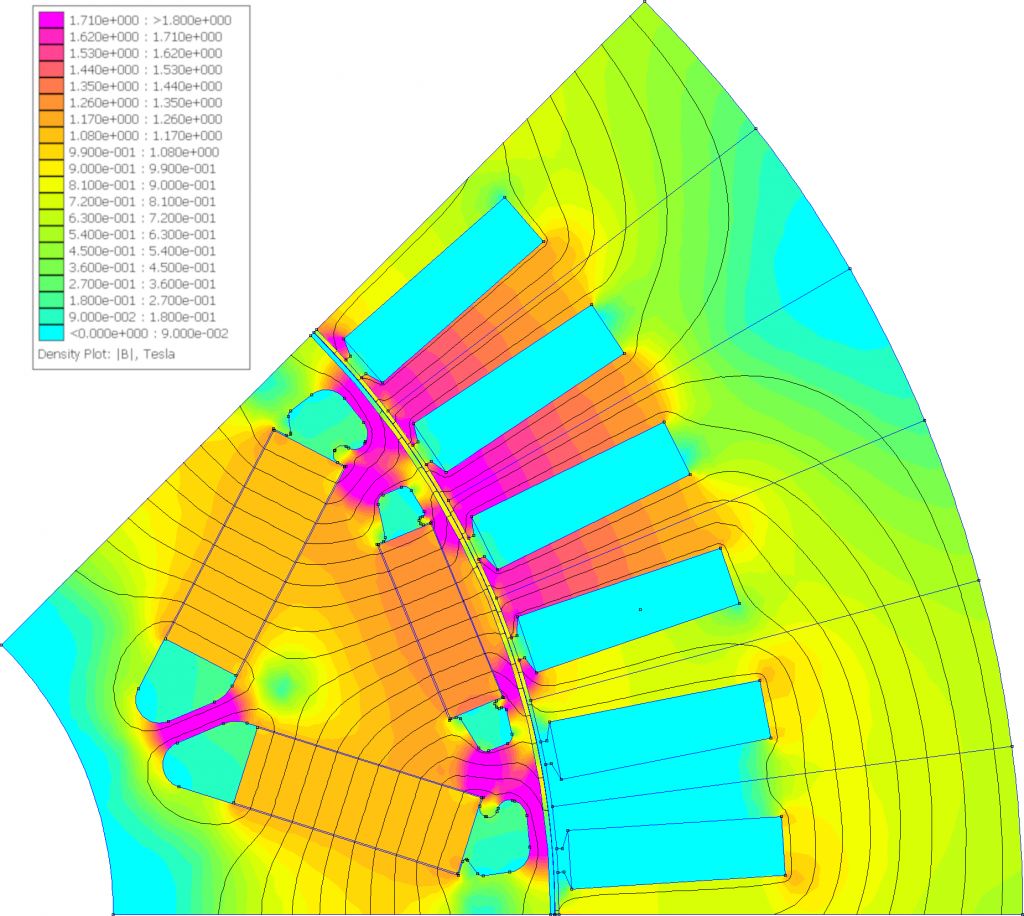
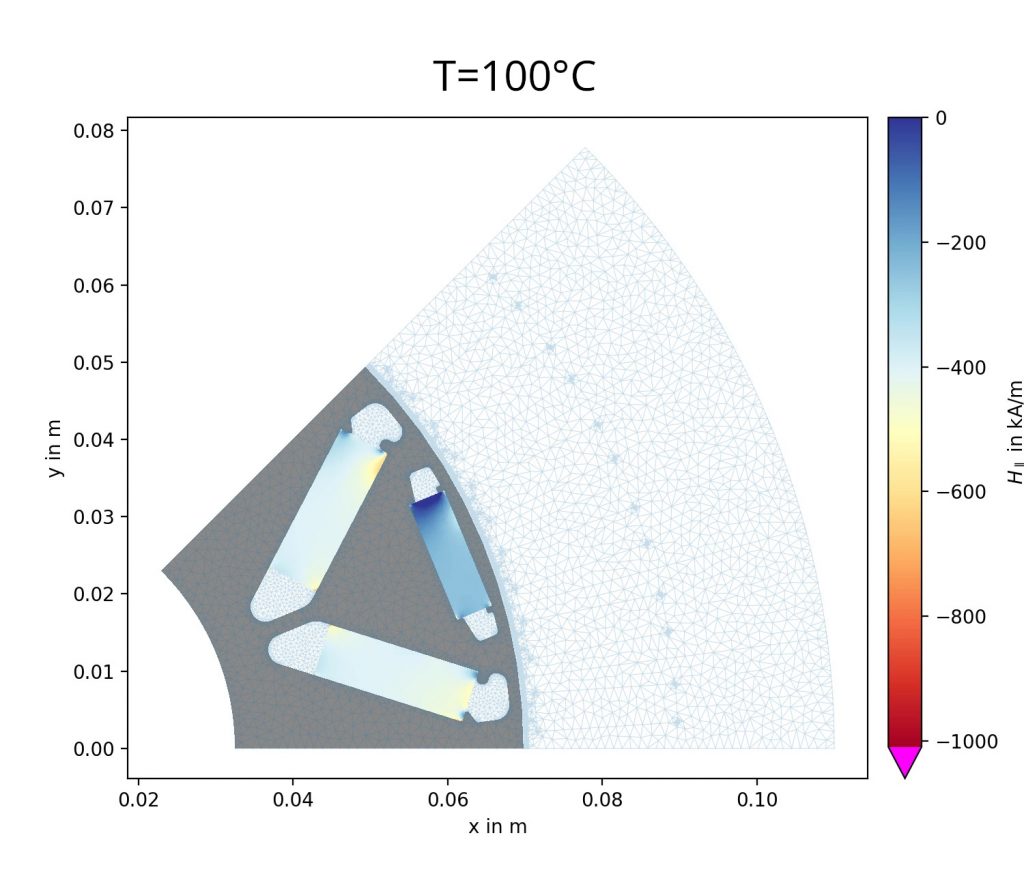
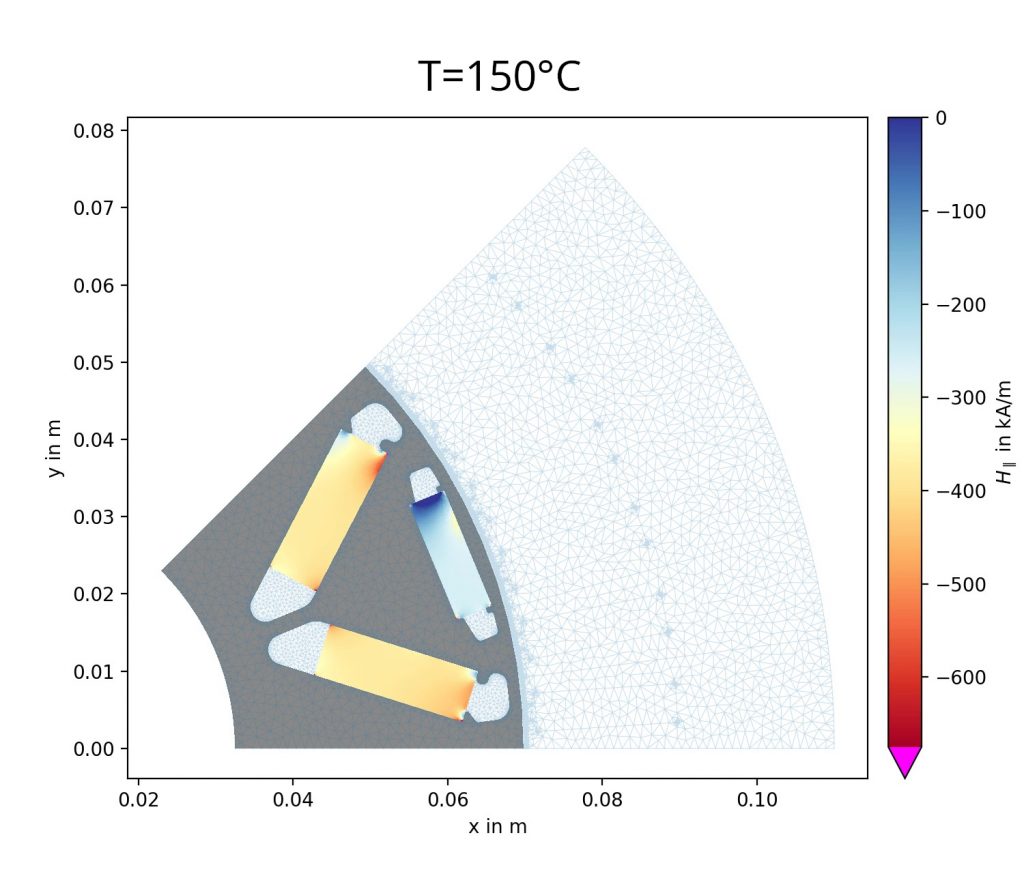
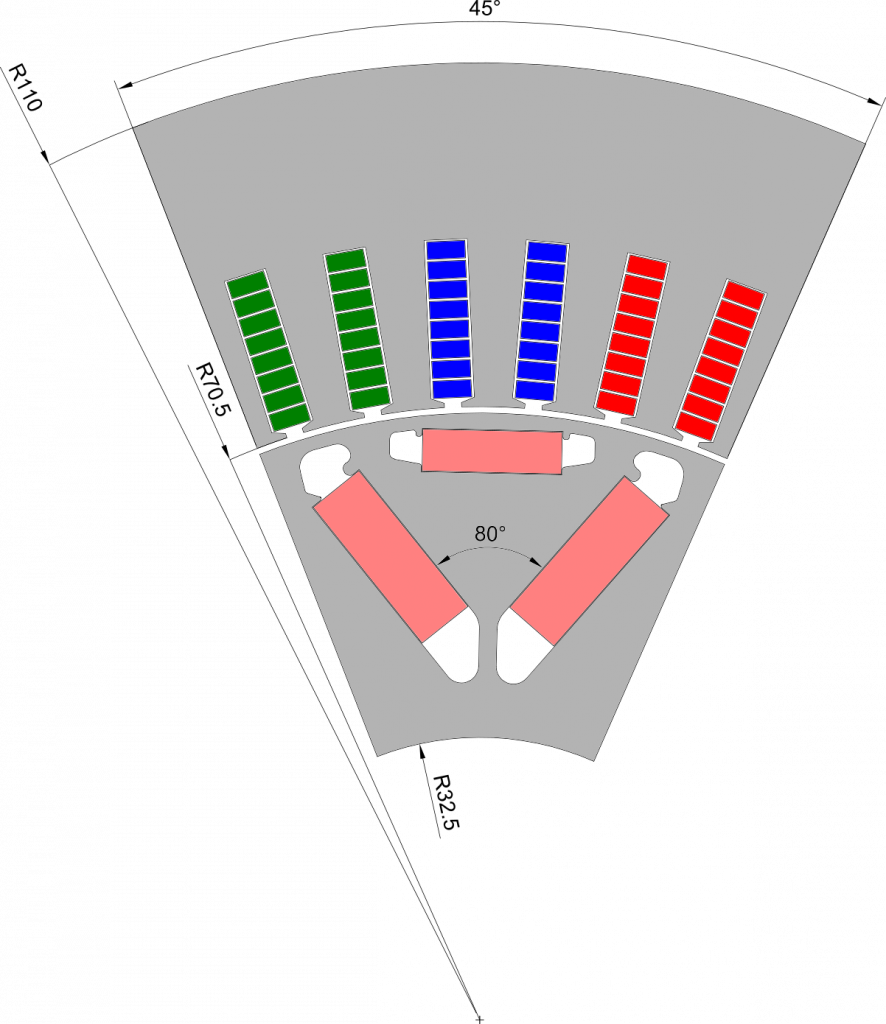
From these sources, the machine geometry was reconstructed step by step and translated into a 2D – FEA model.
Absolute dimensional accuracy is unrealistic – but a physically consistent approximation is achievable.
Key assumptions used in the model:
Electrical steel: NO20
Magnet material: N52-EH
Magnet temperature: 100 °C
DC-link voltage: 380 V
These assumptions strongly influence the results and are therefore stated explicitly. Details of the re-engineered geometry you can take from the provided image.
Results: A Calculated Efficiency Map
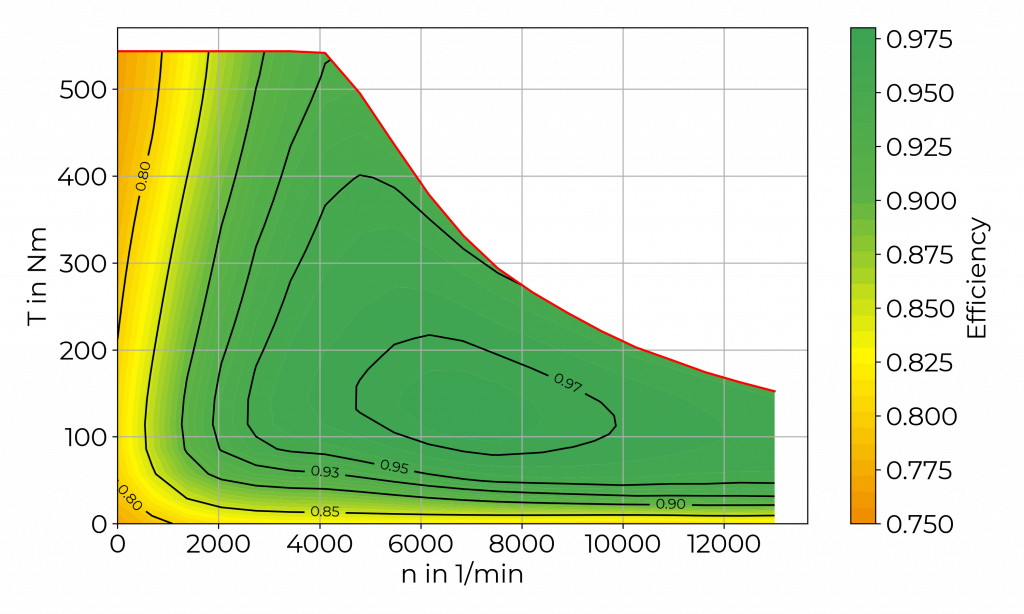
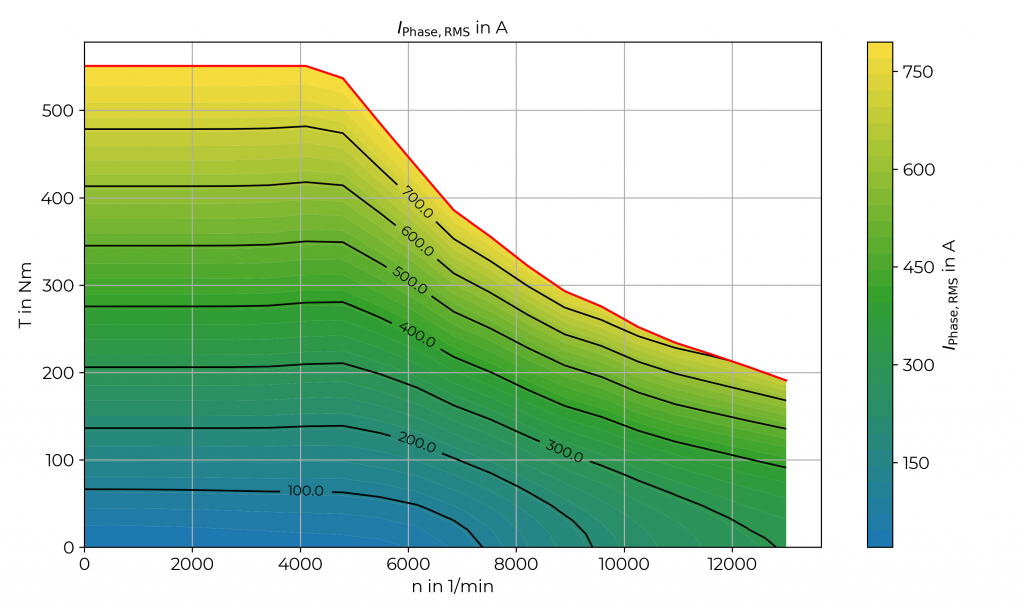
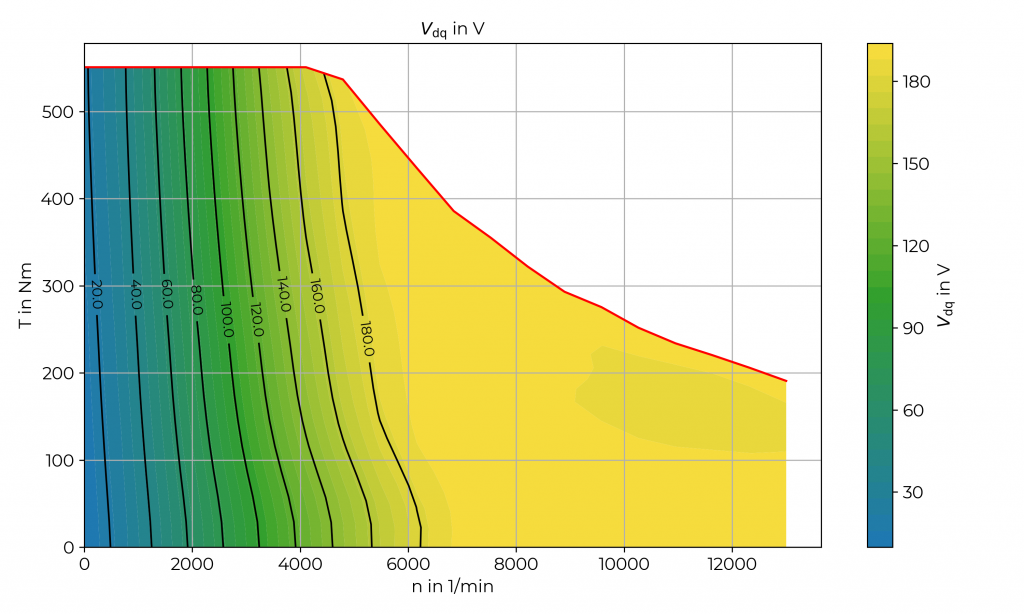
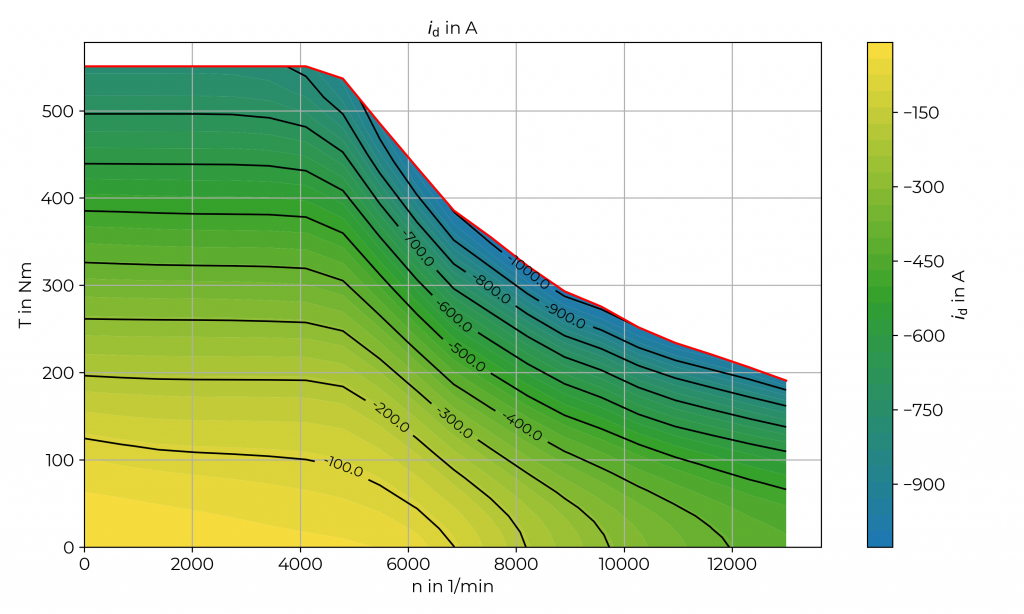
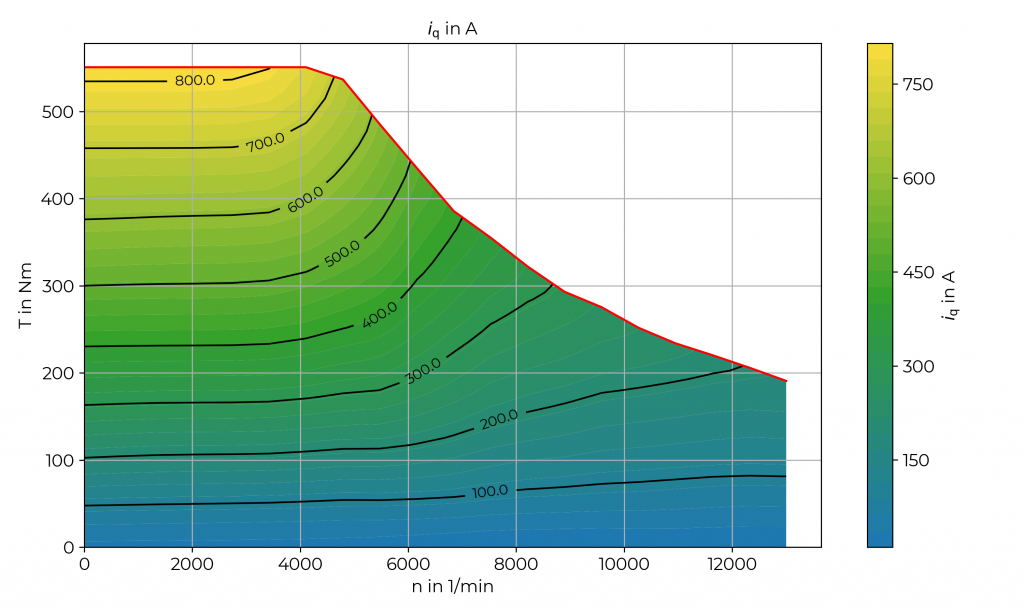
Using the model, an efficiency map of the electric machine was calculated.
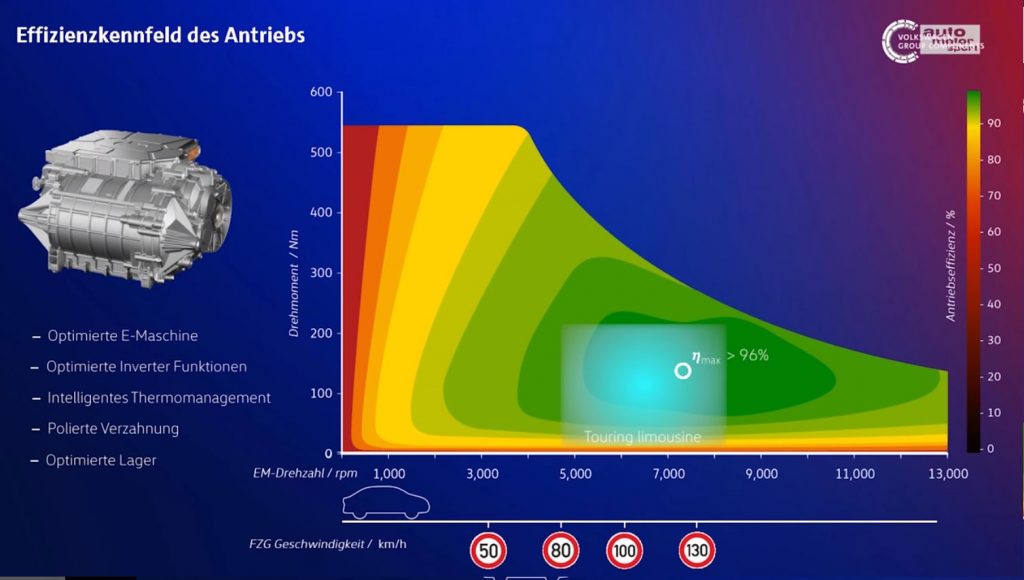
The interesting part came during comparison:
maximum torque
base speed and maximum power is reached.
location of peak efficiency
show strong similarities to the efficiency map published by Alexander Bloch (Link) in his analysis of the APP550 drive unit.
Of course, questions remain:
Are boundary conditions truly comparable?
Are material and temperature assumptions correct?
What role do cooling details play?
👉 Still: The fundamental machine behavior is captured surprisingly well.